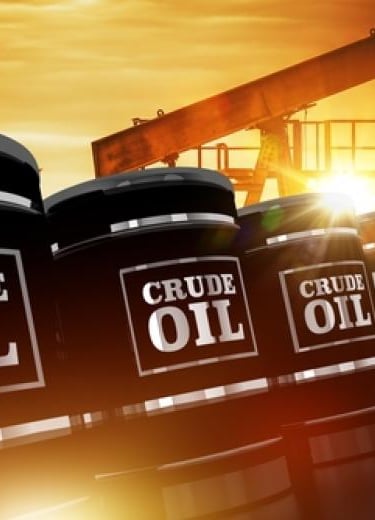
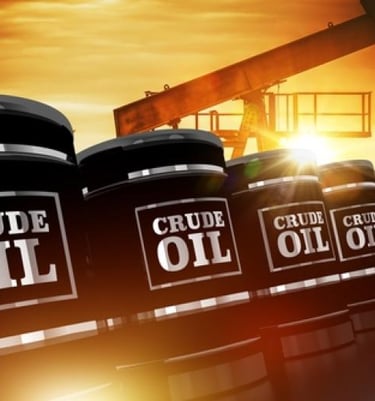
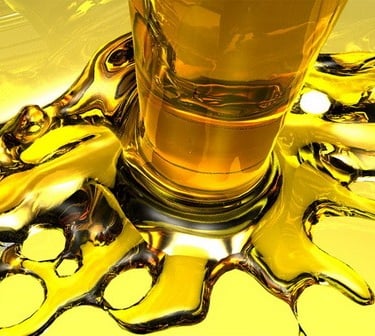
CRUDE OIL: Petroleum is a mixture of a very large number of different hydrocarbons; the most commonly found molecules are alknes (paraffins), ,cycloalkanes (naphthenes), aromatic hydrocarbons, or more complicated chemicals asphaltenes. Each petroleum variety has a unique mix of molecules, which define its physical and chemical properties, like color and viscosity.
DIESEL: Diesel fuel is the broad category for the second distillate of crude oil. Ultra-low sulfur grades of D2, such as GOST 305-82, reduce sulfur content to a maximum of 0.02 percent and reduce sulfur pollution emissions. This type of fuel can be used without additives or reformers. It is the second distillate from the crude, and can be used without reformers and additives.
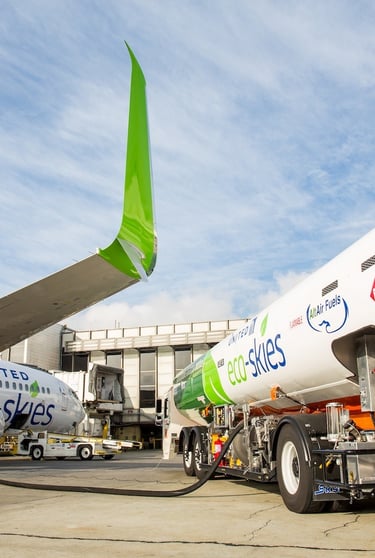
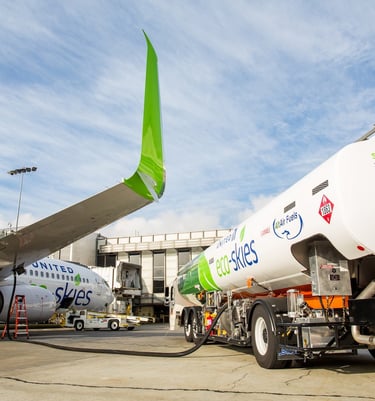
JET FUEL: A type of aviation fuel designed for use in aircraft powered by gas-turbine engines. It is colourless to straw-colored in appearance. The most commonly used fuels for commercial aviation are Jet A and Jet A-1, which are produced to a standardized internatio- nal specs. The only other jet fuel commonly used in civilian turbine-engine powered aviation is Jet B, which is used for its coldweather performance
GASOLINE: Gasoline or petrol is a derivative product of crude oil/petroleum. It is derived during fractional distillation process and has a translucent liquid form. It's not used in its crude form. Different additives are added like ethanol to use it as fuel for passenger vehicles. In the US and Latin countries, term gasoline is used, but in Europe and Asian countries it's called petrol.
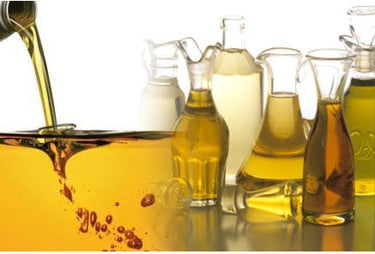
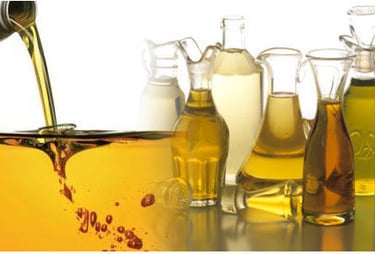
BASE OIL: is produced by means of refining crude oil and are used to manufacture products including lubricating greases, motor oil and metal processing fluids. Different products require different compositions and properties in the oil. One of the most important factors is the liquid’s viscosity at various temperatures. Whether or not a crude oil is suitable to be made into a base oil is determined by the concentration of base oil molecules as well as how easily these can be extracted.
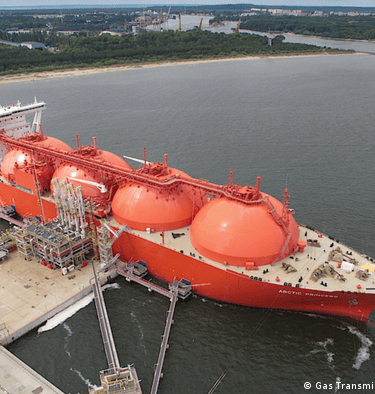
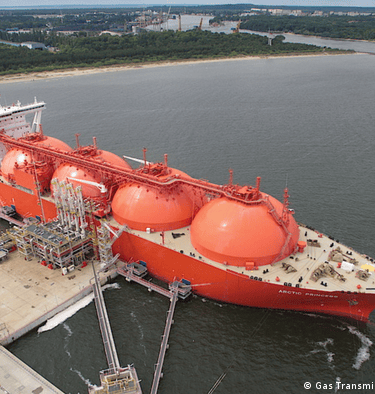
LNG: Is liquefied natural gas, a clear, colorless, non-toxic liquid .Hazards include flammability after vaporization into a gaseous state, freezing and asphyxia. The liquefaction process involves removal of certain components, such as dust, acid gases, helium, water, and heavy hydrocarbons, which could cause difficulty downstream. The natural gas is then condensed into a liquid at close to atmospheric pressure by cooling it to −162 °C; This shrinks the volume of the gas 600 times, making it easier to store and ship to far areas.
BASE OIL: Urea is the most important nitrogenous fertilizer in the market, with the highest Nitrogen content (about 46 percent). It is a white crystalline organic chemical compound. Urea is neutral in pH and can adapt to almost all kinds of soils. It is a waste product formed naturally by metabolizing protein in humans as well as other mammals, amphibians and some fish. Urea is widely used in the agricultural sector both as a fertilizer and animal feed additive to provide the plants with nitrogen.
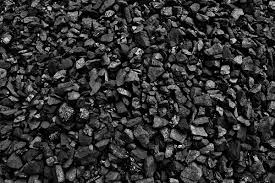
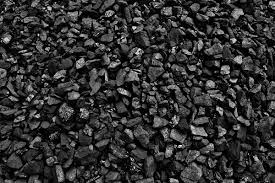
PETCOKE: Petroleum coke is a final carbon-rich solid material that derives from oil refining and is a by-product of the coker process in the oil industry. In its raw form, it is also called “green coke” or green petroleum coke. Calcined petroleum coke is an important industrial commodity that links the oil and the metallurgical industries as it provides a source of carbon for various metallurgical applications including the manufacture of anodes for the aluminum pot liners and for graphite electrodes.